
Key Takeaways
PLA is the most user-friendly filament for beginners, perfect for crafting detailed cosplay helmets.
ABS offers increased durability for cosplay helmets that might see more wear and tear.
PETG is an excellent middle-ground filament with both ease of use and strength for helmet printing.
Specialty filaments like TPU, wood, and metal provide unique finishes and properties for advanced cosplay creations.
Selecting the right filament involves considering the helmet’s design, functionality, and desired appearance.


Why Filament Choice Matters in Cosplay Creativity
Creating a cosplay helmet isn’t just about the design; it’s about bringing a character to life with precision and durability. The filament you choose is the foundation of your creation. It’s what determines how well your helmet will hold up at a bustling convention, how detailed the finish will be, and how comfortable it’ll be to wear for hours on end. So, let’s make sure you start on the right foot, or should I say, head?
Essential Tools for Professional Helmet Finishing
Before diving into filament choices, let’s address the elephant in the room: your printed helmet is only as good as your finishing work. Raw 3D prints rarely look convention-ready straight off the build plate. The difference between a decent cosplay and a jaw-dropping one often comes down to post-processing.
🛠️ Recommended Starter Kit: Essential Helmet Finishing Tools
Mobile-Optimized Product Listings 🔧 For Beginners & Budget-Conscious Cosplayers: 82 Pcs 3D Printer Tool Kit – $26.99
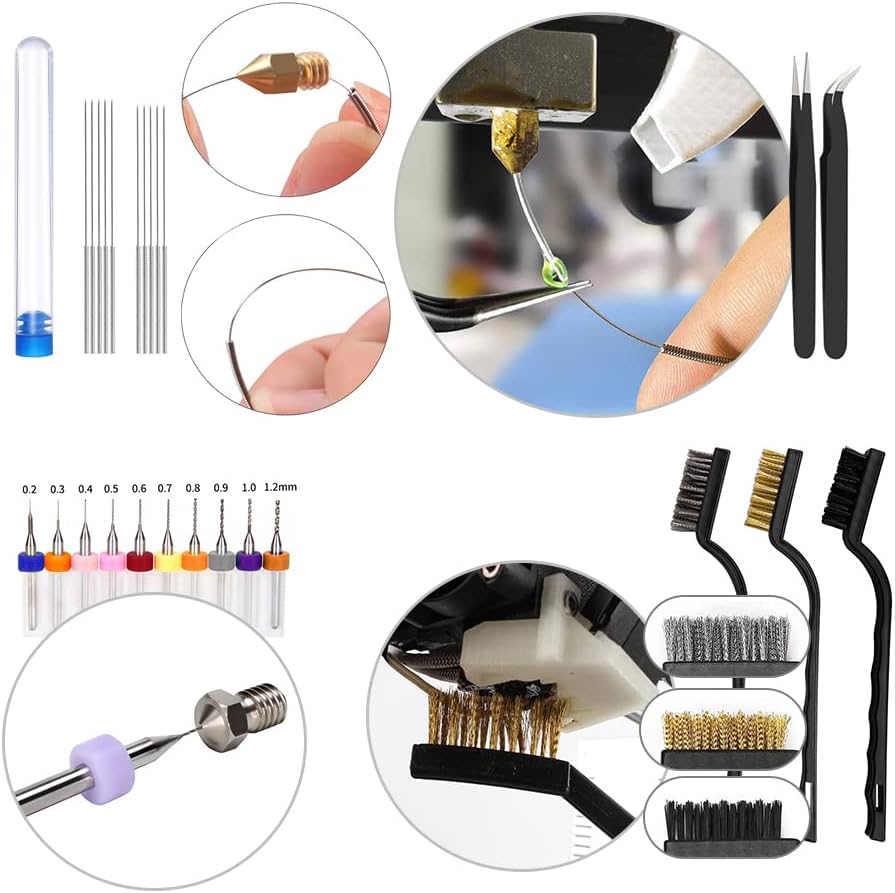
82 Pcs 3D Printer Tool Kit
Complete professional-grade toolkit with 82 precision instruments for 3D printing success. Includes specialized cleaning, cutting, finishing, and maintenance tools in a convenient storage case.
CHECK PRICE ON AMAZON 🢂
- ✓ Get professional-quality helmet finishes without expensive specialized tools
- ✓ Save hours of frustration with precision nozzle cleaning and maintenance kit
- ✓ Remove supports and smooth surfaces like a pro with specialized deburring tools
- ✓ Trusted by 333+ cosplayers with 4.5/5 star rating for reliable results
🛡️ Safety-First Alternative: Anyman 3D Printer Tool Kit with Cut-Resistant Gloves – $26.99
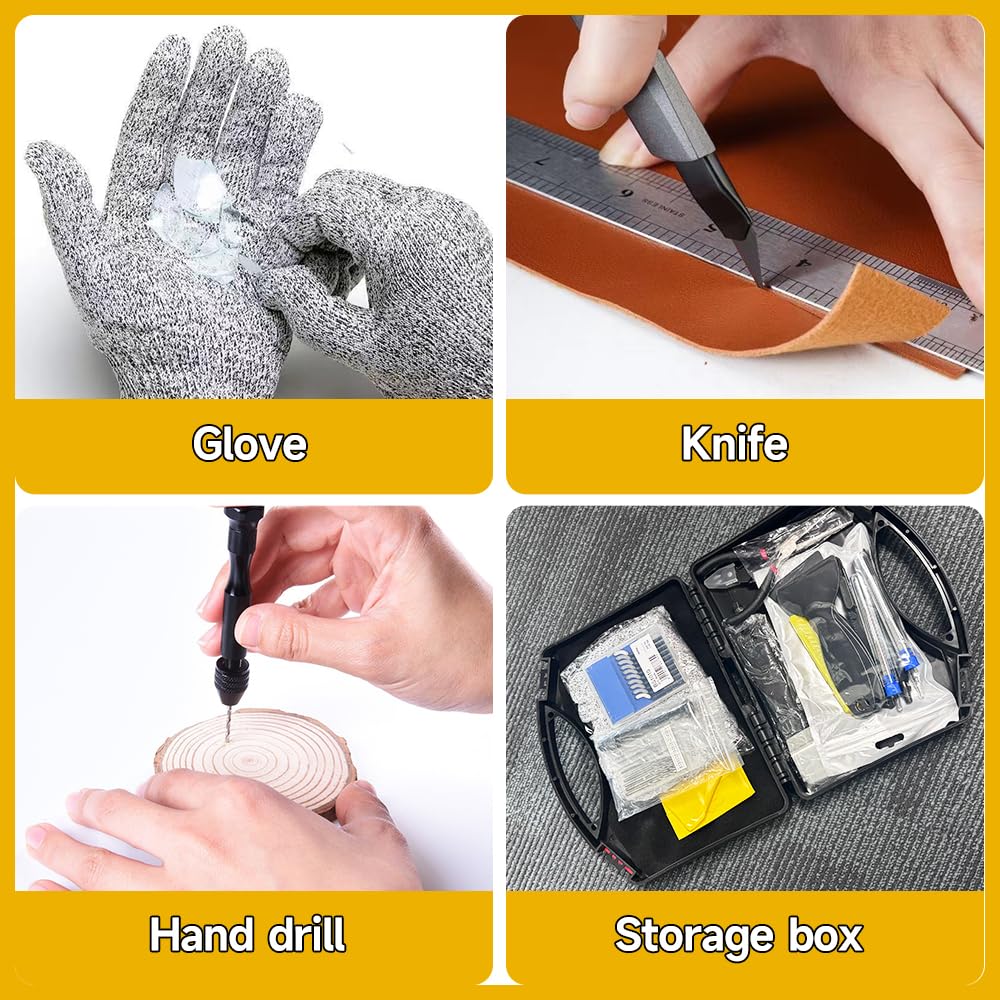
Anyman 3D Printer Tool Kit with Cut-Resistant Gloves
Complete 3D printing post-processing toolkit with safety gloves for secure handling of sharp tools and printed parts.
CHECK PRICE ON AMAZON 🢂
- ✓ Includes protective gloves for safe handling
- ✓ Professional deburring and finishing tools
- ✓ Higher rated at 4.7/5 stars
- ✓ Perfect for parents working with kids on cosplay projects
Pro Tip: Don’t Skip the Tools!
The #1 beginner mistake? Spending $200+ on a printer and premium filaments, then trying to finish helmets with kitchen knives and sandpaper from the garage.
Smart approach: Budget $25-30 for proper tools from day one. Your first helmet finishing kit will be used on every project you ever make.
Result: Professional-looking helmets that get compliments instead of “nice try” comments
Plunge into PLA: The Go-To Filament for Helmet Crafting
When it comes to creating detailed and durable cosplay helmets, PLA (Polylactic Acid) is often the filament of choice for many enthusiasts. Its ease of use and the quality of the final print make it ideal for intricate helmet designs.

The Basics of PLA for Cosplay
Polylactic Acid, or PLA, is a biodegradable thermoplastic that has become the darling of the 3D printing world. Why? Because it’s ridiculously easy to work with. It prints at lower temperatures, doesn’t warp easily, and doesn’t need a heated bed, which is a plus for your energy bill and safety. Plus, it’s available in a rainbow of colors and effects, so your creativity can really run wild.
Advantages of Using PLA for Helmets
Here’s the scoop: if you’re just starting out or you want to create a helmet with intricate details, PLA is your best friend. It’s forgiving, so if your printer’s settings are a bit off, you won’t end up with a helmet fit for a goblin (unless that’s your goal, of course). Besides that, it’s kind to the planet, and when you’re crafting armor and weapons to save fictional worlds, why not save the real one, too?
But let’s get down to brass tacks. PLA is excellent for:
Detail: Got a design with fine lines and complex patterns? PLA can handle it.
Sanding and Painting: Want a smooth, painted finish? PLA sands down nicely and takes paint well.
Cost-Effectiveness: On a budget? PLA won’t break the bank, which means more money for the rest of your cosplay.
Example: PLA is an excellent choice for creating a detailed and smooth Iron Man helmet, as it can capture intricate design elements and is easy for beginners to work with.
Best Brands for PLA Helmet Printing
Not all PLA is created equal. You want a filament that flows smoothly, sticks to your print bed like a dream, and has consistent coloring. Here are a few brands that tick all those boxes:
MatterHackers Build Series PLA: A solid choice for its reliability and range of colors.
Hatchbox PLA: Known for its smooth printing and vibrant colors.
eSun PLA Pro (PLA+): Offers increased strength without sacrificing ease of use.

Case Study 1: Creating a Lightweight and Detailed Cosplay Helmet with PLA Filament
A cosplayer wanted to create a highly detailed and lightweight helmet based on the character Mercy from the video game Overwatch. The design required intricate details and a smooth finish, making PLA filament an ideal choice.
PLA filament was selected for its ease of use, excellent detail reproduction, and smooth surface finish. The cosplayer chose a high-quality PLA filament from Hatchbox in a white color to match Mercy’s helmet design.
The PLA filament allowed for precise printing of the helmet’s intricate details, resulting in a stunning and accurate representation of Mercy’s headgear. The lightweight nature of PLA made the helmet comfortable to wear for extended periods during conventions and photoshoots. The smooth surface finish of the PLA filament required minimal post-processing, saving time and effort in the overall project.
User Testimonial: “I am thrilled with how my Mercy helmet turned out using PLA filament. The level of detail I could achieve was incredible, and the lightweight feel of the helmet made it a breeze to wear throughout long convention days. I highly recommend PLA for anyone looking to create a detailed and comfortable cosplay helmet.” – Sarah, Overwatch Cosplayer.

Advancing with ABS: Durability Meets Design
Understanding ABS in Cosplay Fabrication
Acrylonitrile Butadiene Styrene, or ABS, is a common thermoplastic used to create lightweight yet sturdy cosplay helmets. ABS is known for its strength and heat resistance, making it ideal for helmets that might get roughed up during conventions or photoshoots.
ABS is like the seasoned warrior of filaments. It’s tougher, more heat-resistant, and can take a hit, which is exactly what you need if your helmet’s going to see some action. But with great power comes great responsibility: ABS can be temperamental and requires a heated bed and well-ventilated space due to fumes.
Most importantly, ABS gives you helmets that last. They won’t wilt under the glare of the sun or crack if they take a tumble. That’s why if you’re planning on battling dragons or dashing through dystopian wastelands, ABS should be in your arsenal.
Example: ABS is recommended for a Mandalorian helmet from the Star Wars universe, as it offers excellent durability and resistance to wear and tear during conventions or photoshoots.
When to Choose ABS for Your Helmet
When you’re crafting a helmet that needs to stand up to the rigors of cosplay events, ABS is the way to go. It’s ideal for helmets that:
It will be used frequently and need to resist wear and tear.
It requires a higher resistance to heat, preventing deformation in hot environments.
It needs to be sanded, smoothed, or chemically treated for a professional finish.

Top ABS Filament Picks
For those ready to tackle ABS, here are my top recommendations:
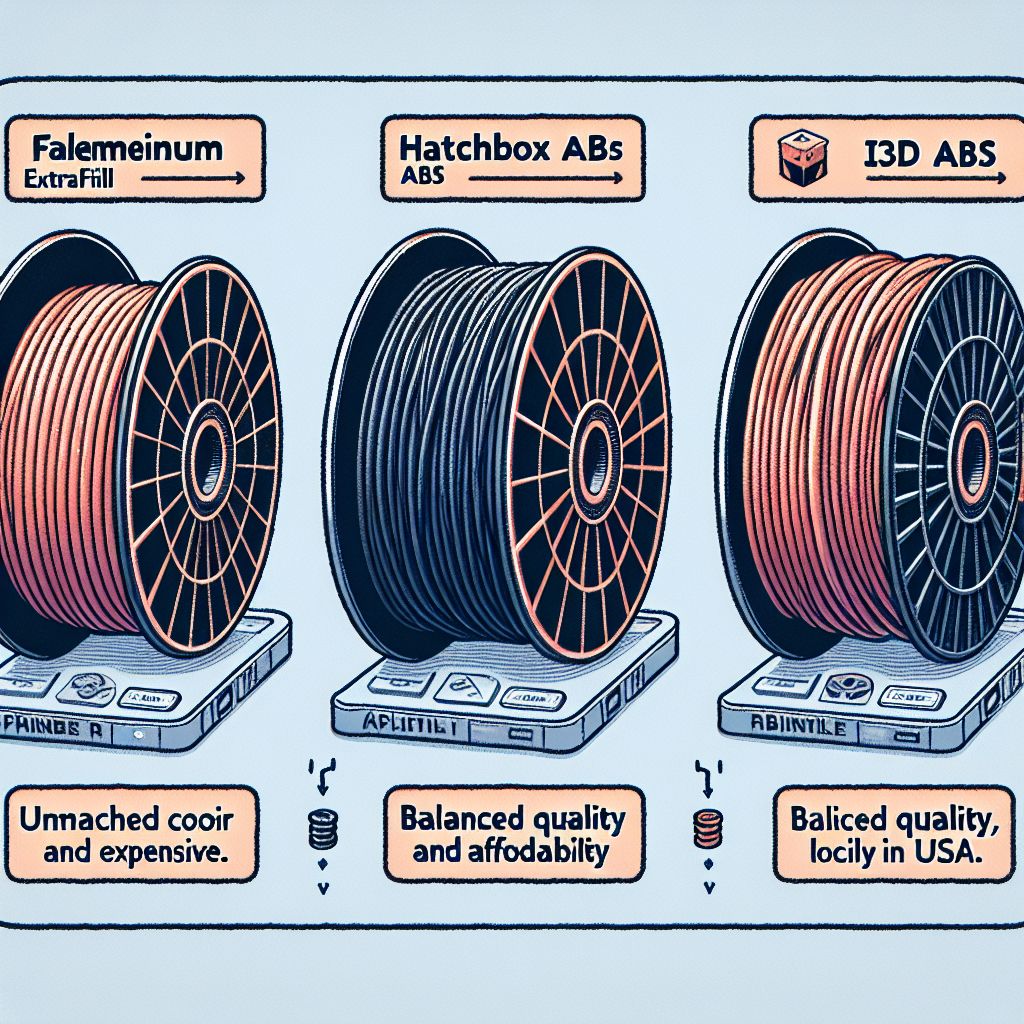
Filamentum ExtraFill ABS: It’s a bit pricier, but the color quality is unmatched.
Hatchbox ABS: A great balance of quality and affordability, perfect for large projects.
IC3D ABS: Known for its consistency and made in the USA, if you prefer to buy locally.
Exploring PETG: A Robust Alternative for Cosplay Helmets
PETG, or Polyethylene Terephthalate Glycol, is the unsung hero of the filament world. It offers a balance between the user-friendliness of PLA and the strength of ABS. It’s like the versatile sidekick in your cosplay adventures – ready to handle a bit of everything.
Characteristics of PETG Filament
PETG is moisture resistant, which means your helmet won’t get all weird and warped if you’re sweating after a long day at a con. It also has a bit of flex to it, which can be a real neck-saver. It prints without the noxious fumes of ABS, so you can keep your brain cells intact to strategize your next cosplay.
Why PETG Might Be Your Cosplay Secret Weapon
When it comes to creating durable and flexible cosplay items, PETG filament is often considered a superior choice for its balance of strength and ease of use.
Example: PETG is an excellent option for a Halo Master Chief helmet, as it balances strength and flexibility, making it comfortable to wear for extended periods.

Because PETG combines ease of use with toughness, it’s perfect for helmets that must be both intricate and durable. It’s the go-to for when you want your headgear to last longer than a one-day convention without requiring the extra fuss that ABS demands.

Recommended PETG Brands for Strong Helmets
Here are a few PETG options that won’t let you down:
eSun PETG: Offers a good balance between strength and ease of use, plus it comes in cool transparent colors.
Prusament PETG: If you’re looking for premium quality with precise color consistency, this is your pick.
MatterHackers PRO Series PETG: Known for its reliability and excellent finish, it’s a solid choice for professionals.

Specialty Filaments: Beyond the Basics
Once you’ve mastered PLA, ABS, and PETG, it’s time to level up your cosplay game with specialty filaments. These materials can add unique textures, flexibility, or shine to your helmets, making them stand out in a crowd.
Flexible TPU for Custom Comfort
TPU, or Thermoplastic Polyurethane, is like the yoga instructor of filaments – it’s all about flexibility. If you’re creating a helmet that needs to conform to your head’s shape or has parts that should move with you, TPU is the answer. It’s a bit trickier to print with, but the end result is comfort you can’t get from rigid materials.
Example: TPU is suggested for a Black Panther helmet with movable parts, such as retractable lenses or a flexible neck piece, to ensure a comfortable and adaptable fit.
Case Study 2: Designing a Flexible and Durable Cosplay Helmet with TPU Filament
A cosplayer set out to create a helmet inspired by the character Black Panther from the Marvel Cinematic Universe. The design required a flexible material to accommodate the helmet’s retractable lenses and ensure a comfortable fit for the wearer.
TPU filament was chosen for its flexibility, durability, and ability to create a form-fitting helmet. The cosplayer opted for a black TPU filament from NinjaTek to match the iconic color of Black Panther’s suit.
The TPU filament allowed for the successful creation of a flexible and durable Black Panther helmet. The retractable lenses functioned smoothly, and the helmet comfortably conformed to the wearer’s head shape. The TPU material also provided excellent impact resistance, ensuring the helmet’s longevity for future cosplay events.
User Testimonial: “TPU filament was a game-changer for my Black Panther helmet project. The flexibility of the material made it possible to incorporate the retractable lenses and achieve a perfect fit. The durability of TPU gives me peace of mind, knowing that my helmet can withstand the wear and tear of cosplay conventions. I can’t imagine using any other filament for this project.” – Michael, Marvel Cosplayer.

Wood Filament for an Organic Look
Want your helmet to have an ancient, mystical vibe? Wood filament is literally made with wood fibers and gives your prints an authentic wooden look and feel. It’s perfect for druidic crowns or elven helms. Just be prepared for a bit more post-processing to bring out that grainy texture.
Example: Wood filament is recommended for a Groot helmet from Guardians of the Galaxy, as it can create a realistic, organic texture that mimics the character’s bark-like appearance.

Metal Filament for a Realistic Metallic Finish
Metal filaments contain actual metallic powders, and with a bit of sanding and polishing, you can achieve a helmet that looks forged rather than printed. It’s heavy, it’s impressive, and it’s the ultimate showstopper. Just remember, it’s also heavy on your printer, so make sure it can handle the extra weight.
Example: Metal filament is proposed for a Doctor Doom helmet from the Fantastic Four, as it can achieve a striking metallic finish that resembles the character’s iconic armor.
Here’s a cost comparison table for the main filament types discussed above:
|
Filament Type |
Average Cost per Kilogram |
|---|---|
|
PLA |
$20 – $30 |
|
ABS |
$20 – $35 |
|
PETG |
$20 – $35 |
|
TPU |
$30 – $50 |
|
Wood |
$30 – $50 |
|
Metal |
$50 – $100 |
Please note that these approximate prices may vary depending on the time, brand, quality, and supplier.
When planning a cosplay helmet project, it’s essential to consider the cost of the filament material. As shown in the table above, the average cost per kilogram can vary significantly between different filament types. PLA, ABS, and PETG are generally the most affordable options, while specialty filaments like TPU, wood, and metal tend to be more expensive.
The cost of the filament should be factored into your overall project budget, as it can impact the scale and complexity of your cosplay helmet. Remember that larger or more intricate designs will require more filament, which can increase the total cost. However, investing in higher-quality filaments can result in better print quality, durability, and overall appearance, making it a worthwhile consideration for your cosplay project.
Complete Cosplay Helmet Setup Guide
Now that you understand filament costs, let’s talk about the complete investment for professional results:
Budget-Friendly Complete Setup ($50-80 total):
- Filament: Hatchbox PLA Multi-Pack (~$49)
- Finishing Tools: 82 Pcs Tool Kit (~$27)
- Post-Processing: Basic sandpaper set (~$15)
Professional Cosplayer Setup ($120-150 total):
- Premium Filaments: Multiple specialty options (~$60-80)
- Advanced Tools: AEORUM 124-Piece Professional Kit (~$63)
- Complete Finishing Supplies: Primers, paints, advanced sanders (~$30-40)
Guidelines for Selecting the Perfect Cosplay Filament
Assessing the Strength and Flexibility Needs
Before diving into printing, take a moment to consider the demands of your cosplay event. Will your helmet need to withstand bumps and scrapes, or is it more for show? The answer to this question will guide you toward the right filament choice.
If durability is your top priority, consider using ABS or PETG filaments, which offer excellent strength and impact resistance.
For helmets that require a bit of flexibility, such as those with movable parts or designs that conform to your head shape, TPU filament is an ideal choice.
If your helmet is primarily for display or short-term wear, PLA filament can provide a balance of ease of use and visual appeal.
Considering the Helmet’s Design and Desired Appearance
The design complexity and desired final appearance of your cosplay helmet will also influence your filament selection.
For helmets with intricate details and smooth surfaces, PLA filament is an excellent choice due to its ease of printing and ability to capture fine details.
If you’re aiming for a specific aesthetic, such as a wooden or metallic look, specialty filaments like wood or metal-filled options can help you achieve that unique appearance.
Keep in mind that some filaments, such as ABS and PETG, may require additional post-processing steps like sanding and painting to achieve a polished final look.
By carefully considering the strength, flexibility, and appearance requirements of your cosplay helmet, you can select the perfect filament to bring your creative vision to life.
Have you recently crafted a cosplay helmet using any of the filament materials mentioned in this post? We’d love to see your creations! Share photos of your cosplay projects, and let us know about your experience with filament selection. If you have any questions or need advice on choosing a suitable filament for your next cosplay endeavor, feel free to ask – we and our community are here to help.
Advanced Tools for Competition-Level Helmets
Ready to take your cosplay to the next level? Professional cosplayers invest in premium tools that make the difference between “pretty good” and “award-winning.”
🏆 Professional Grade: AEORUM 124-Piece Ultimate Kit – $62.99
What makes this worth the upgrade:
- Electric rotary tool – For precision detail work and weathering effects
- 124 specialized pieces – Every tool you could need for complex helmet projects
- Premium materials – Tools that last through multiple convention seasons
- Complete workshop in a box – Perfect for serious cosplayers building multiple costumes
Best for: Experienced cosplayers, contest participants, or anyone planning multiple helmet projects
Conclusion:
In this comprehensive guide, we’ve explored the world of filament materials for 3D printing cosplay helmets. We’ve covered the main types, including PLA, ABS, PETG, and specialty filaments like TPU, wood, and metal, discussing their unique properties, advantages, and disadvantages. The choice of filament material can significantly impact your cosplay helmet’s overall look, feel, and durability. Hence, it’s essential to consider factors such as the desired aesthetic, level of detail, intended use, and budget when selecting.
We encourage you to experiment with different filament materials to find the one that best suits your needs and preferences. Share your experiences, insights, and creations with the cosplay community, as your unique perspectives and innovative approaches can inspire and guide others in their 3D printing adventures.
We hope that this blog post has served as a valuable resource for anyone looking to create their cosplay helmets using 3D printing technology. By understanding the diverse range of filament materials available and their respective strengths and weaknesses, you can unlock new possibilities and take your cosplay creations to the next level. So, go forth and explore the exciting world of 3D-printed cosplay helmets!
As we wrap up, the following grid provides a structured overview of the key concepts discussed in this post. Use it as a quick reference to reinforce your understanding and explore the connections between the main ideas:


Leave a Reply