
Hey there, cosplay enthusiasts! If you’re looking to bring your favorite characters to life with incredible detail, 3D printing helmets is the way to go. But with so many printers on the market, how do you choose the best one for your needs? Don’t worry; I’ve got your back. Let’s dive into the ultimate buying guide for the best 3D printers for cosplay helmets in 2024.
Key Takeaways
The ANYCUBIC Kobra Max is a top pick for its large build volume and user-friendly interface.
Creality Ender 3 V2 stands out as an affordable option that doesn’t skimp on quality.
For beginners, the Flashforge Adventurer 3 is an easy-to-use printer that gets you printing fast.
Resin printers like the Elegoo Mars Pro are perfect for detailed cosplay helmets and accessories.
Reliability is key, and the Prusa i3 MK3S+ is known for its consistent performance.
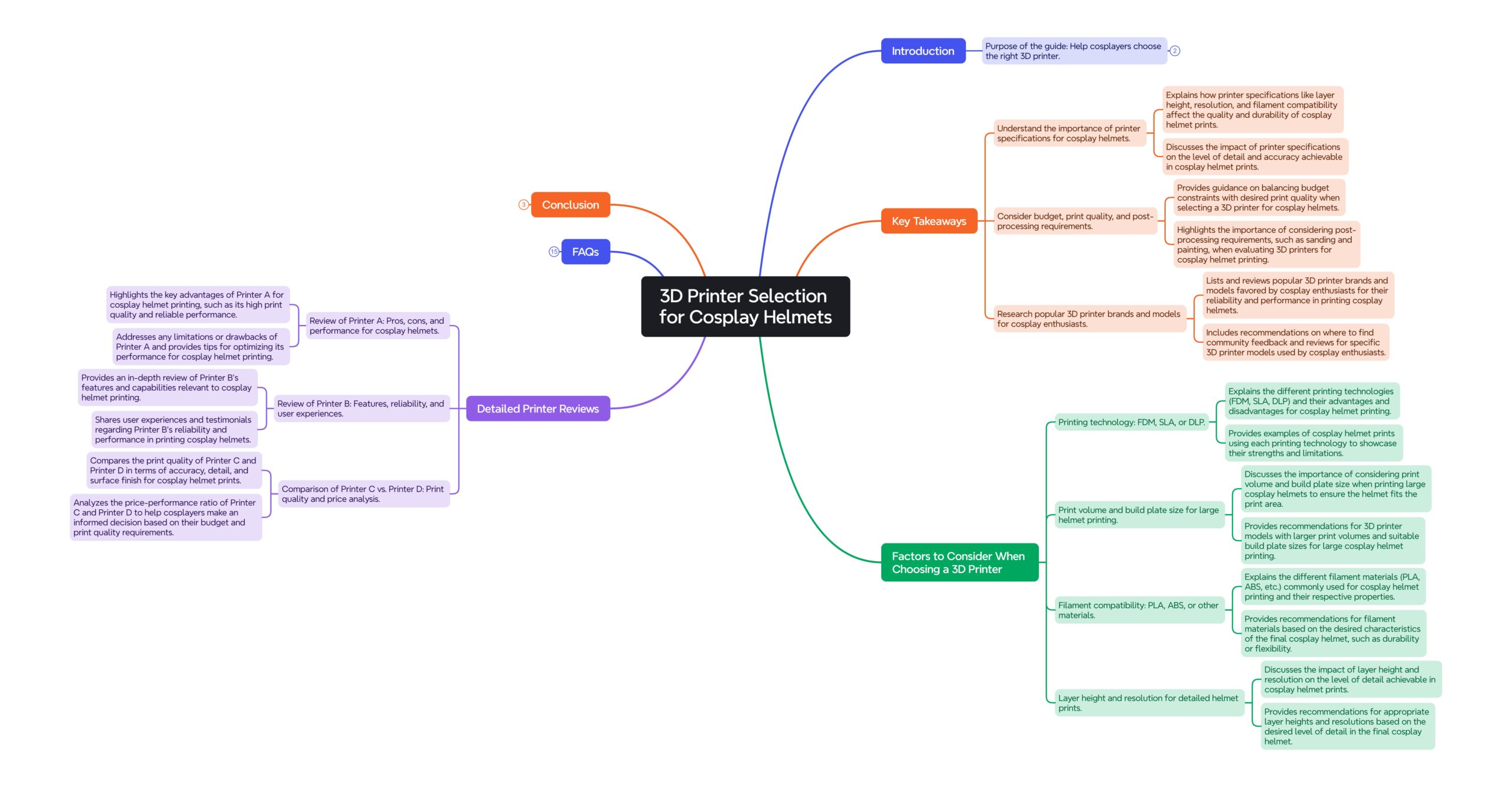
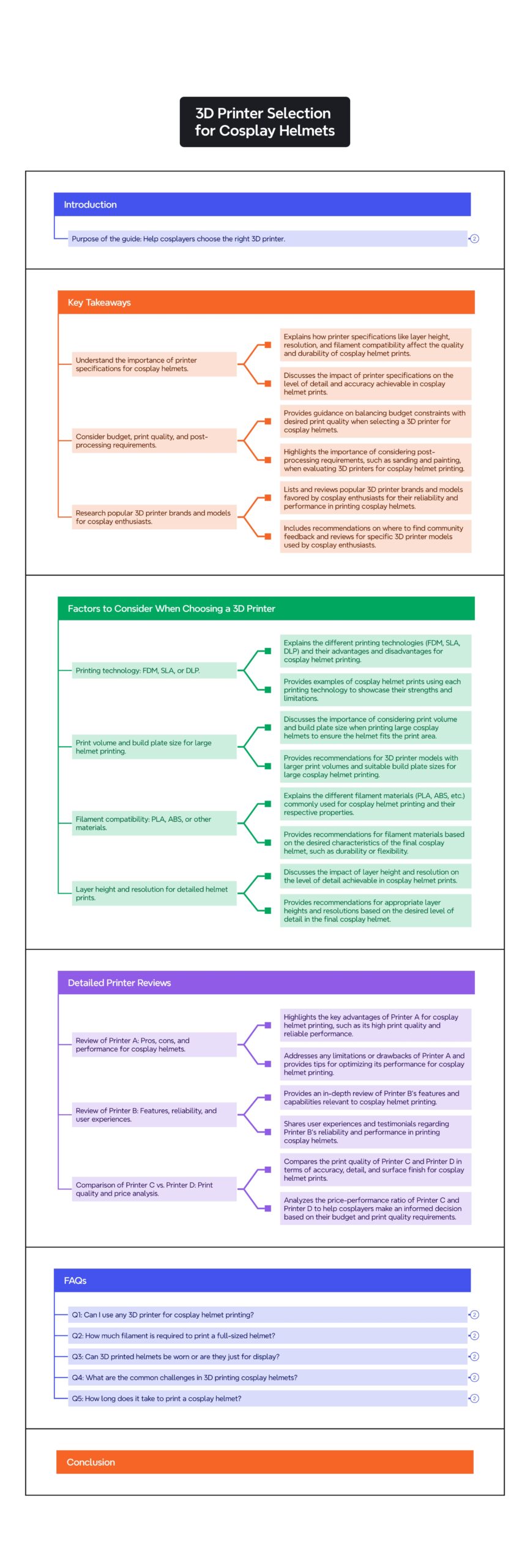
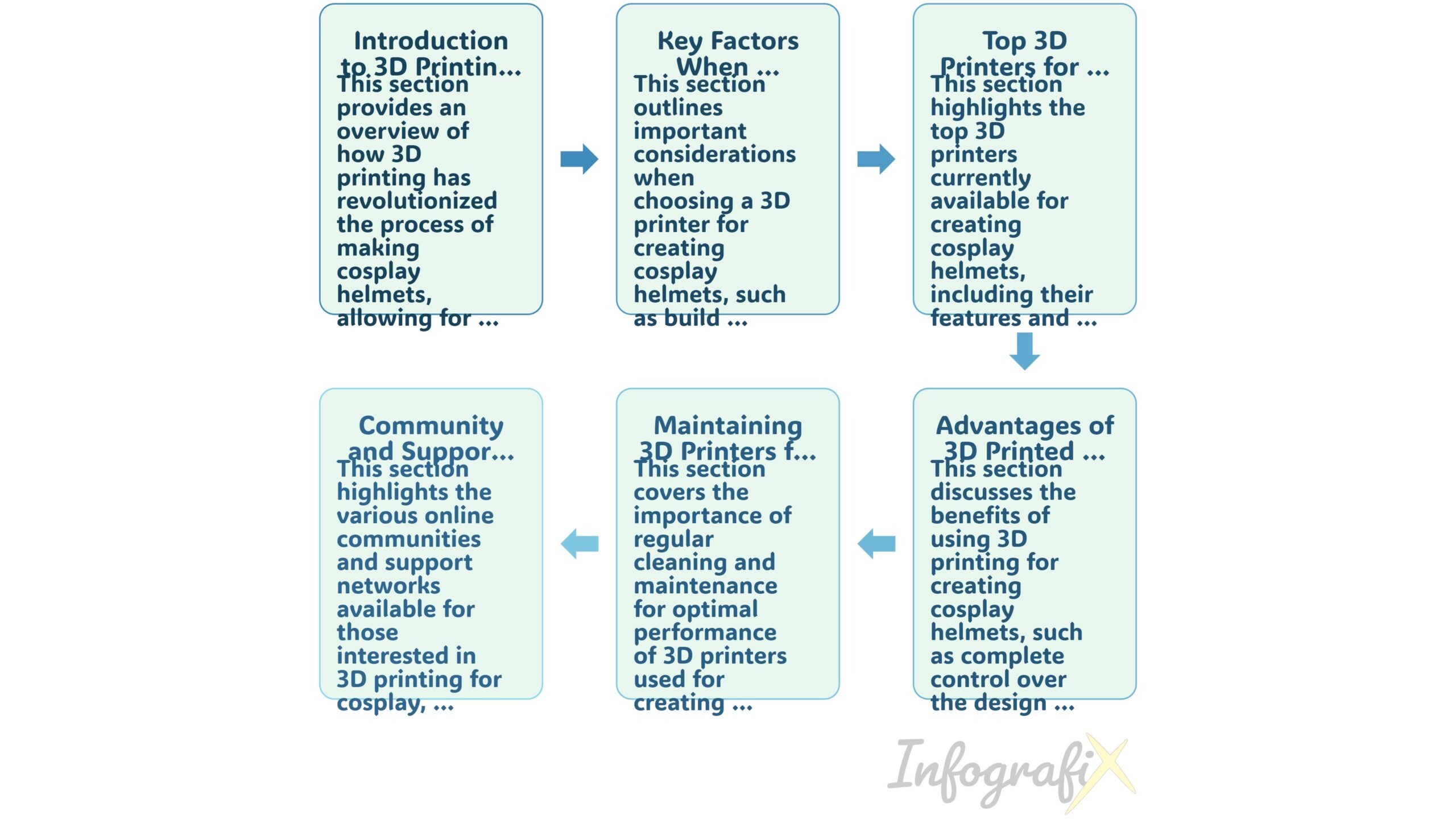
Comparison Table for 3D Printers for Cosplay Helmets
|
Printer |
Build Volume |
Material Compatibility |
Resolution |
Print Speed |
Post-Processing Ease |
|---|---|---|---|---|---|
|
ANYCUBIC Kobra Max |
450mm x 400mm x 400mm |
PLA, ABS |
High |
Moderate |
Moderate |
|
Creality Ender 3 V2 |
Moderate |
PLA, ABS |
High |
Fast |
Easy |
|
Flashforge Adventurer 3 |
Compact |
PLA, ABS |
High |
Fast |
Easy |
|
Elegoo Mars Pro (Resin) |
Small |
Resin |
Very High |
Moderate |
Challenging |
|
Prusa i3 MK3S+ |
Moderate |
PLA, ABS, PETG |
High |
Fast |
Easy |
Enter the World of Lifelike Cosplay
Cosplay is not just about dressing up; it’s about becoming the character. And what better way to do that than with a helmet that looks like it leaped straight out of the screen? With the right 3D printer, you can craft helmets that are not just wearable but also detailed and durable. Whether you’re a seasoned cosplayer or just starting out, a 3D printer can be your secret weapon for making head-turning headgear.
Why 3D Printing Transforms Cosplay Helmet Making
3D printing has revolutionized cosplay helmet making because it allows you to create complex, precise shapes that are often impossible to achieve with traditional methods. It’s all about customization; you can tweak your designs until they’re perfect and print them out right in your own home. Plus, you can experiment with different materials to get the look and feel you want. It’s a game-changer for sure.
Decisive Factors When Selecting a 3D Printer
When it comes to choosing a 3D printer for cosplay helmets, there are a few key factors you’ll want to consider:
Build Volume: Make sure the printer can handle the size of the helmets you want to create.
Material Compatibility: Choose a printer that works with the types of filaments or resins that are best for helmets.
Resolution: For intricate details, you’ll need a printer that offers high resolution.
Print Speed: Balance speed with the quality of the print to meet your project timelines.
Post-Processing: Consider how easy it will be to finish and paint your printed helmet.
Choosing Your 3D Printing Sidekick
Just like a trusty sidekick, your 3D printer is going to be by your side through every step of the helmet-making process. So, it’s important to choose one that fits your specific needs and skill level. Whether you’re all about speed, detail, or ease of use, there’s a printer out there that’s just right for you.
Size Matters: Printer Build Volume Considerations
One of the first things to look at when picking a printer is the build volume. This is the maximum size that the printer can create in one go. If you’re planning to make large helmets or want to print other big cosplay pieces, you’ll need a printer with a larger build volume. Otherwise, you might have to print in parts and assemble them later, which can be a hassle.
For example, the ANYCUBIC Kobra Max boasts a build volume of 450mm x 400mm x 400mm, giving you plenty of room for even the most ambitious projects. On the other hand, if you’re tight on space or just making smaller items, a compact printer might be the way to go.
Material Maestro: Compatible Filaments for Your Creations
The material you print with is just as important as the printer itself. Different filaments can give you different finishes, textures, and strengths. For cosplay helmets, you’ll likely be looking at materials like PLA for its ease of use or ABS for its durability. Some printers also work with flexible filaments, which can be great for comfortable, wearable parts.
Detail-Oriented: Precision and Resolution
When it comes to cosplay, the devil’s in the details. You want your helmet to have all those intricate designs and textures that make it look authentic. That’s where printer resolution comes in. The higher the resolution, the more detailed your print can be. This is especially important for features like engravings and embossed details.
Take the Elegoo Mars Pro, for example. It’s a resin printer that can achieve incredibly high resolution, making it perfect for helmets with fine details. Resin printers are generally better at this than FDM (Fused Deposition Modeling) printers, but they can be a bit trickier to work with and require more post-processing.
Speed vs Quality: Understanding Print Speeds
Print speed can be a bit of a trade-off. Faster prints are great when you’re on a deadline, but they can sometimes mean a drop in quality. If you’re not in a rush, it might be worth it to print slower for a smoother, more detailed finish. Consider how much time you’re willing to invest in each helmet and choose a printer that can match your pace.
Post-Printing Possibilities: Ease of Finishing Work
After your helmet is printed, you’ll likely need to do some finishing work to get it ready for the convention floor. This might include sanding, painting, and attaching additional parts. Some printers leave behind less support material or have smoother print surfaces, which can make this process a lot easier. So, keep an eye out for printers that are known for clean prints and easy post-processing.
Top Contenders for Cosplay Creativity
With the basics covered, let’s move on to the main event: the top 3D printers that are making waves in the cosplay community. Each of these printers has its own strengths, so let’s find out which one will help you create that show-stopping helmet.
Remember, when selecting a printer, consider the factors we discussed earlier. Think about the size of the helmets you want to create, the level of detail you’re aiming for, and how much time you’re willing to spend on post-processing. Now, let’s check out the contenders.
1. ANYCUBIC Kobra Max: The Colossal Crafter
The ANYCUBIC Kobra Max is a beast when it comes to build volume. With a massive 450mm x 400mm x 400mm space, it’s ideal for printing large helmets in one piece. This printer is user-friendly, making it a great choice for both newbies and veterans in the cosplay world.
Large build volume for ambitious projects
User-friendly interface that simplifies the printing process
Reliable printing quality for less post-processing work
But keep in mind its size can be a double-edged sword. You’ll need ample space to accommodate this printer, so it’s not the best choice for those with limited room. If you can handle its size, the Kobra Max is a solid choice for creating epic cosplay helmets.
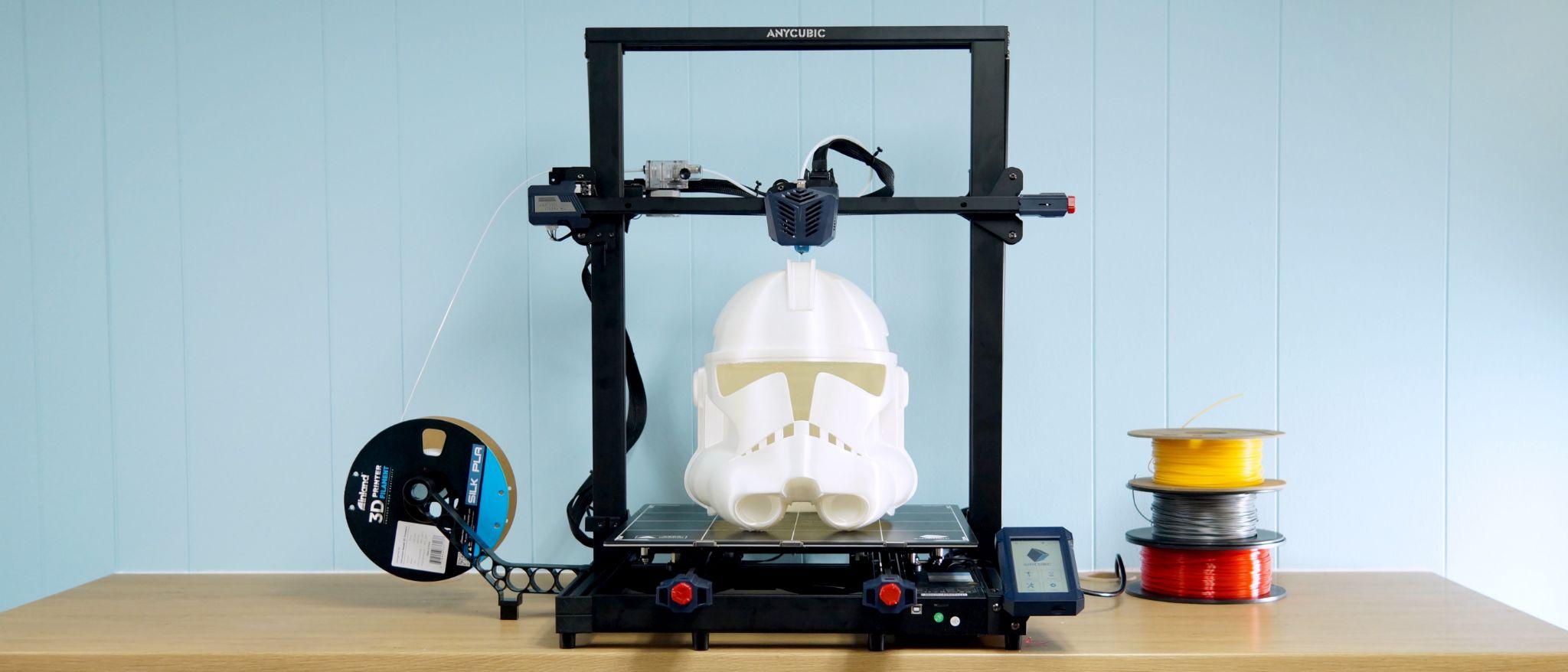
“Anycubic Kobra Max Review: Massive …” from www.tomshardware.com and used with no modifications.
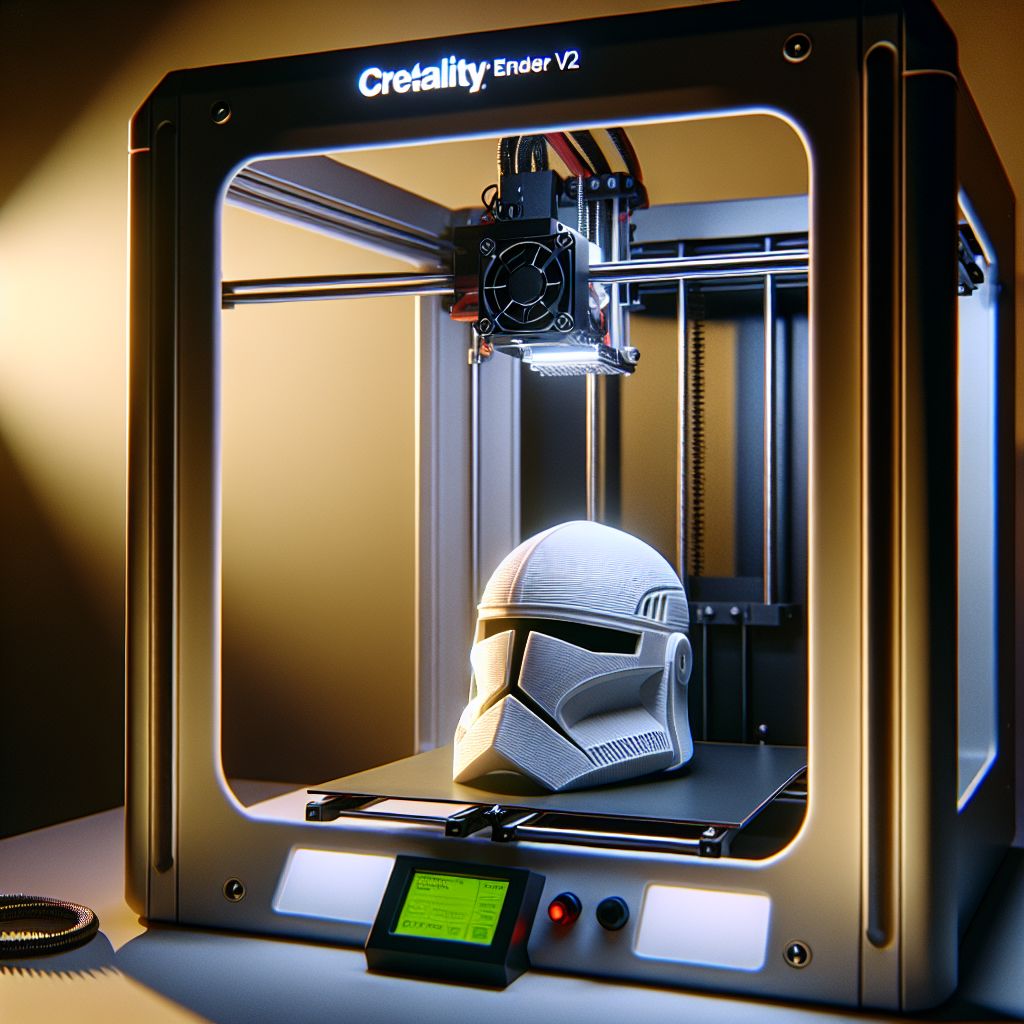
2. Creality Ender 3 V2: The Budget-Friendly Workhorse
The Creality Ender 3 V2 strikes a balance between affordability and performance. It’s well-loved in the maker community for its reliability and quality prints. While it doesn’t have the same build volume as the Kobra Max, it’s more than capable of printing most helmet sizes, especially if you’re okay with assembling pieces post-print.
Affordable without compromising on print quality
Quick and easy assembly, so you can get to printing faster
Compact design that fits in smaller spaces
With its open-source nature, there’s also a huge community of users who share upgrades and tips, which can be invaluable when you’re working on complex cosplay projects.
3. Flashforge Adventurer 3: The Beginner-Friendly Innovator
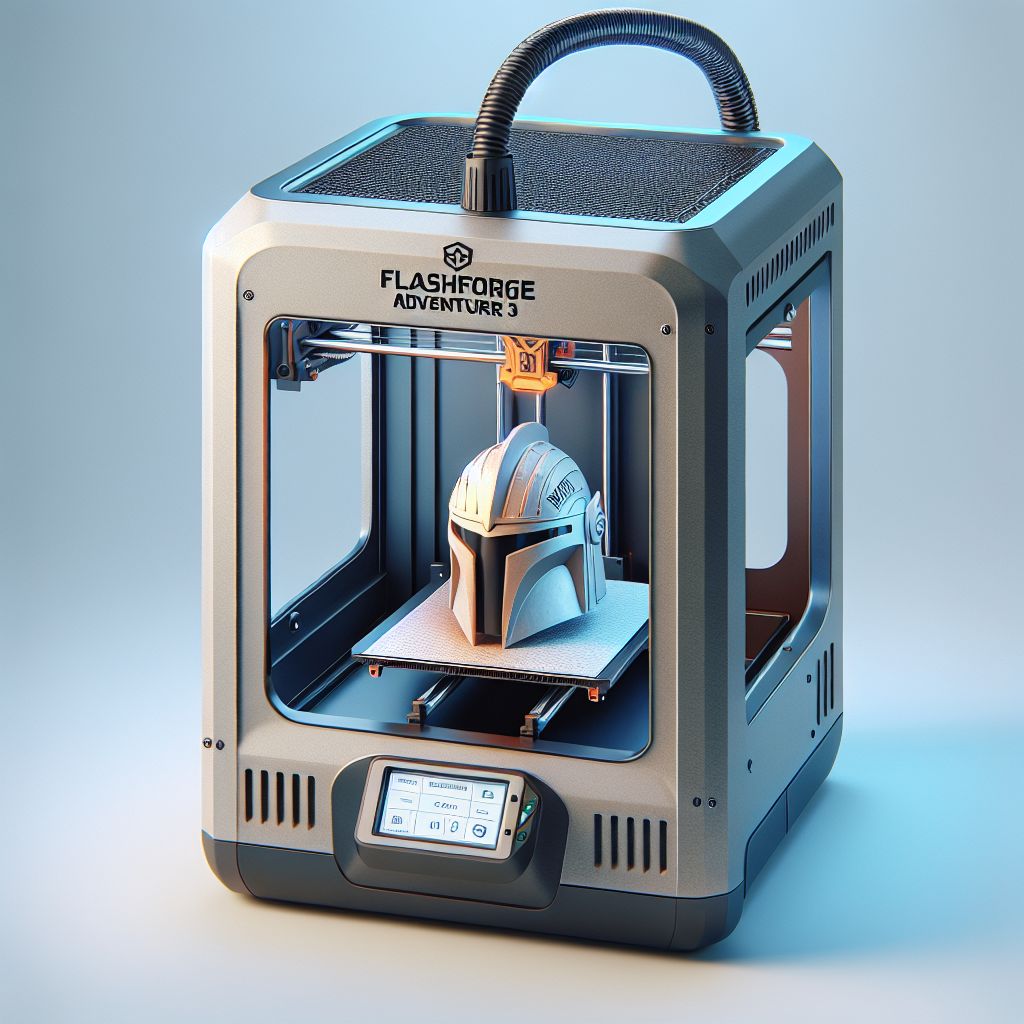
For those who are new to the world of 3D printing, the Flashforge Adventurer 3 is a dream come true. It’s incredibly easy to set up and use, with a variety of features that make printing as hassle-free as possible. Its enclosed design not only keeps the noise down but also improves safety – a big plus if you’re printing at home.
The Adventurer 3 might not have the largest build volume, but it’s precise and reliable, perfect for beginners who are just getting their feet wet in helmet making. Plus, it comes with a removable bed, which is a lifesaver when you’re trying to remove your finished prints without damaging them.
4. Elegoo Mars Pro: The Resin Revolutionist
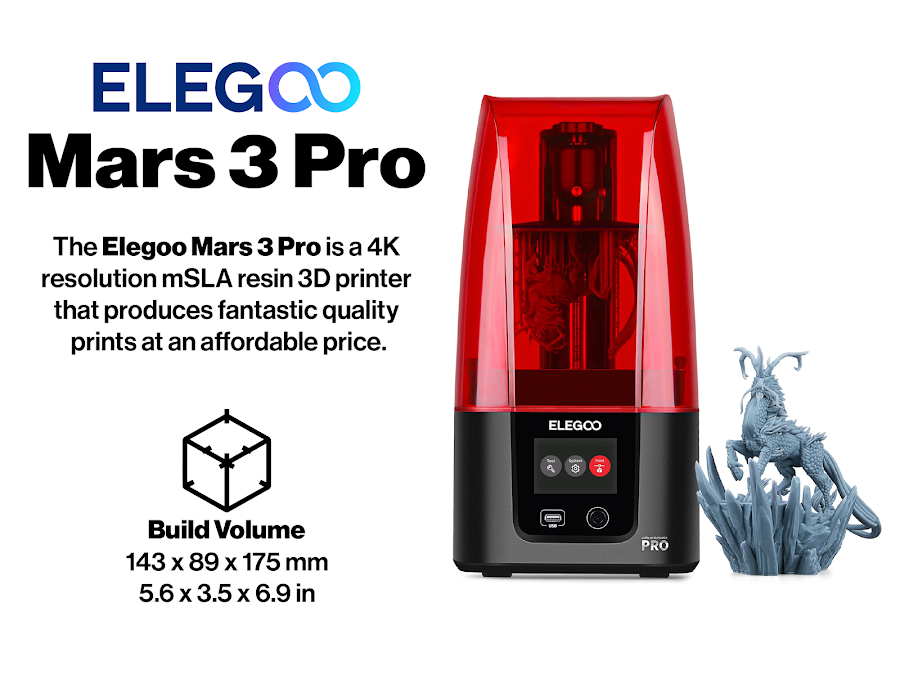
When detail is your top priority, resin printers like the Elegoo Mars Pro are the way to go. This printer is known for producing incredibly detailed prints with a smooth surface finish, which means less sanding and finishing work for you.
Resin printing is a different ball game, though. It’s messier and requires careful handling of the liquid resin, but the results can be breathtaking. If you’re willing to put in the extra work, the Mars Pro can help you create helmets with details that pop.
“Elegoo Mars 3 Pro 4K Mono LCD MSLA …
5. Prusa i3 MK3S+: The Reliability Champion
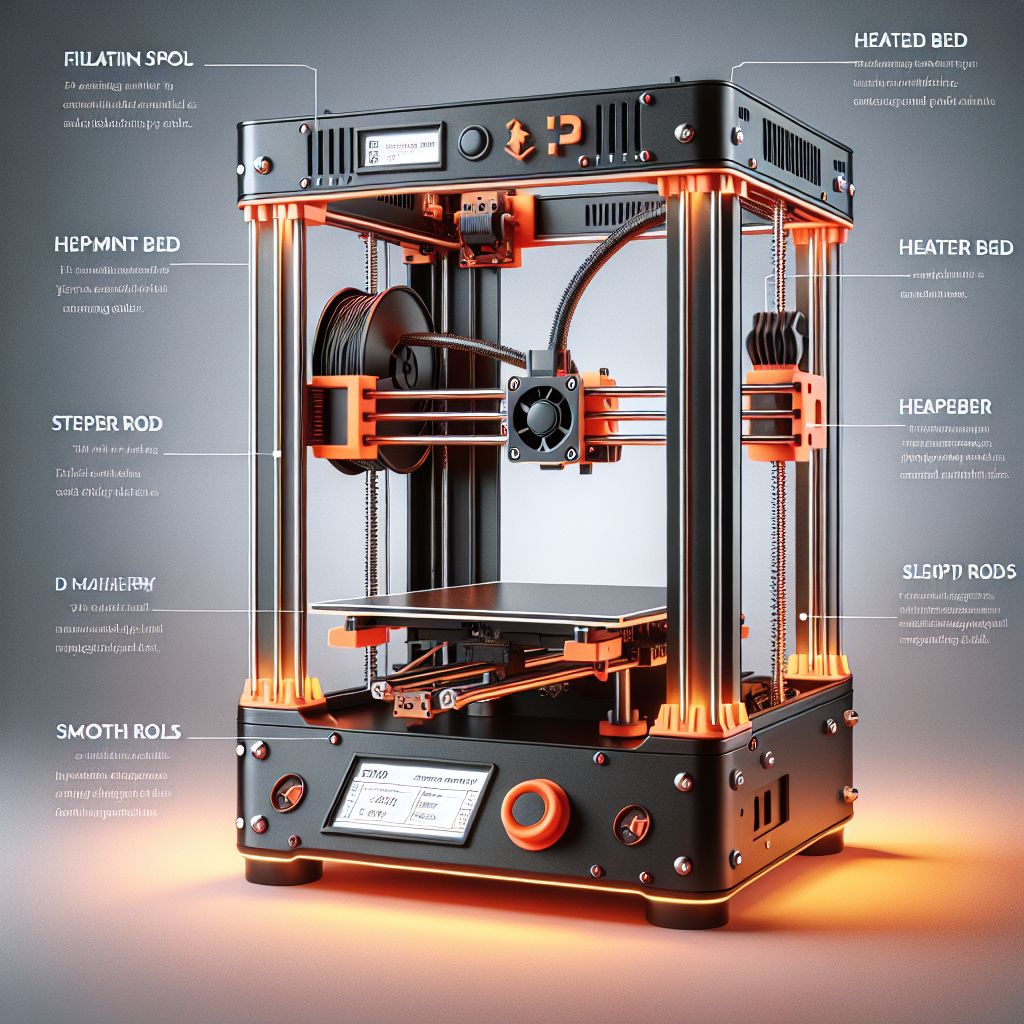
Last but not least, the Prusa i3 MK3S+ is renowned for its reliability. If you’re looking for a printer that you can count on to churn out print after print without a hitch, this is the one. It’s got a loyal following for a reason – it delivers consistent quality and has a suite of features that make printing smoother and more efficient.
While it’s not the cheapest option out there, the investment is worth it for the peace of mind you get. Plus, Prusa’s customer service is top-notch, which can be a lifesaver if you ever run into issues.
Making the Most of Your 3D Printing Experience
Now that you’ve got a better idea of what printers are out there let’s talk about making the most of your 3D printing experience. A great printer is just the start; knowing how to use it effectively can make all the difference in your cosplay helmet creations.
First, take the time to learn your printer inside and out. Understand its quirks, what settings work best for different materials, and how to maintain it properly. This will help you avoid common pitfalls and keep your printer running smoothly for a long time.
Also, don’t be afraid to experiment. 3D printing is as much an art as it is a science, and sometimes, you need to try different approaches to get the result you want. Try out different filaments, tweak your designs, and always be on the lookout for new techniques and tools that can elevate your work.
Exploring the Advantages of 3D Printed Helmets
There are so many advantages to 3D printing your own cosplay helmets. For starters, you have complete control over the design process. You can customize every detail to match your vision, and you’re not limited to what’s available in stores or online.
3D-printed helmets are also often lighter and more comfortable than their conventionally made counterparts. And because you can print them to fit your exact measurements, you’ll get a helmet that’s not just stunning to look at but also a joy to wear.
Maintaining your machine is crucial. Regular cleaning and lubrication can prevent many common issues. If something goes wrong, having a supportive community or reliable customer service can make all the difference. The best part? There are tons of online forums and social media groups where you can connect with other cosplay creators, share your work, and get feedback and advice.
Community and Support: Tapping into Cosplay 3D Printing Networks
One of the best things about the cosplay community is how supportive and helpful everyone is. When it comes to 3D printing, tapping into these networks can be incredibly beneficial. You can learn from the experiences of others, get troubleshooting help, and find out about the latest advancements in 3D printing technology. Plus, it’s always fun to share your own progress and get that burst of encouragement we all need sometimes.
FAQ
Let’s address some common questions you might have about 3D printing cosplay helmets:
Can 3D-printed cosplay helmets be made to fit perfectly?
Yes, they absolutely can! The beauty of 3D printing is that you can customize your designs to fit your exact measurements. By taking the time to measure your head and adjust the design accordingly, you can create a helmet that fits like a glove. Just remember, precision in your measurements and in the printing process is key to a perfect fit.
Pro Tip: Use a flexible measuring tape to get accurate measurements of your head. Then, use those measurements to scale your 3D model before printing.
Getting a snug fit not only looks better, but it’s also more comfortable, especially if you’re wearing your helmet for extended periods at conventions or events.
Is it expensive to print your own cosplay helmet?
Cost can vary widely depending on the size of your helmet, the type of material you use, and whether you need to do any post-processing work. Generally, you can expect to spend anywhere from $20 to $100 on filament for a full-sized helmet. Remember, investing in a quality printer can save you money in the long run by reducing failed prints and the need for excessive post-processing.
What is the best type of filament for cosplay helmets?
For most cosplay helmets, PLA is a great choice because it’s easy to print with and comes in a variety of colors and finishes. If you need more durability or heat resistance, ABS might be the way to go. There are also specialty filaments like flexible TPU or PETG that can offer different properties like flexibility or transparency.
How long does it take to 3D print a cosplay helmet?
Printing time can vary a lot based on the size of the helmet, the complexity of the design, and the settings you use. A typical full-sized helmet might take anywhere from 20 to 100 hours to print. If you’re printing in parts, you’ll also need to factor in assembly and finishing time.
Can you paint over a 3D-printed cosplay helmet?
Yes, you can! In fact, painting is a great way to add those final touches that really make your helmet stand out. Just make sure to sand and prime your helmet before painting to get the smoothest finish possible. Acrylic paints work well for this, and you can use techniques like dry brushing or airbrushing to get different effects.
Stay Connected for More Cosplay Inspiration
Bringing your cosplay dreams to life is an exciting journey, and we’re here to support you every step of the way. Be sure to follow us on social media for more 3D printing tips, helmet-making tutorials, and behind-the-scenes looks at our latest creations.
When looking for the best 3D printers for cosplay helmets, it’s important to consider not just the price but also the features that are beneficial for costume creation. A good cosplay 3D printer should have a large enough build volume to accommodate helmets, high resolution for intricate details, and be compatible with a variety of materials to suit different design needs. For those interested in the broader implications of 3D printing on cosplay, the evolution of cosplay trends in 2024 provides insight into how this technology is shaping the industry.


Leave a Reply